Brazil's Pine Belt: Paraná and Santa Catarina Explained
Brazil is the world's largest exporter of softwood plywood and a major exporter of MDF, sawn timber, and pine furniture. But "Brazil" is not a monolithic supply source — timber production is concentrated in a specific geographic region, with different states specialising in different products and grades.
Understanding where Brazilian timber comes from helps importers source more precisely, evaluate supplier claims, and anticipate supply chain risks.
The Southern Pine Belt
Brazil's plantation timber industry is almost entirely located in three southern states: Paraná, Santa Catarina, and — to a lesser extent — Rio Grande do Sul. Together, these three states account for over 90% of Brazil's Pinus plantation area and essentially all of its plywood and MDF exports.
The two main pine species are:
- Pinus elliottii — the dominant species in southern Paraná and Santa Catarina; produces dense, resinous timber well suited to structural plywood and sawn wood
- Pinus taeda — common throughout the region; slightly softer and more uniform, preferred for MDF, furniture-grade panels, and finger-jointed sawn wood
Both species grow in FSC-certified plantations on land that was historically degraded pasture or previously harvested native forest. Plantation cycles run 15–25 years depending on the end product.
Paraná: the plywood capital
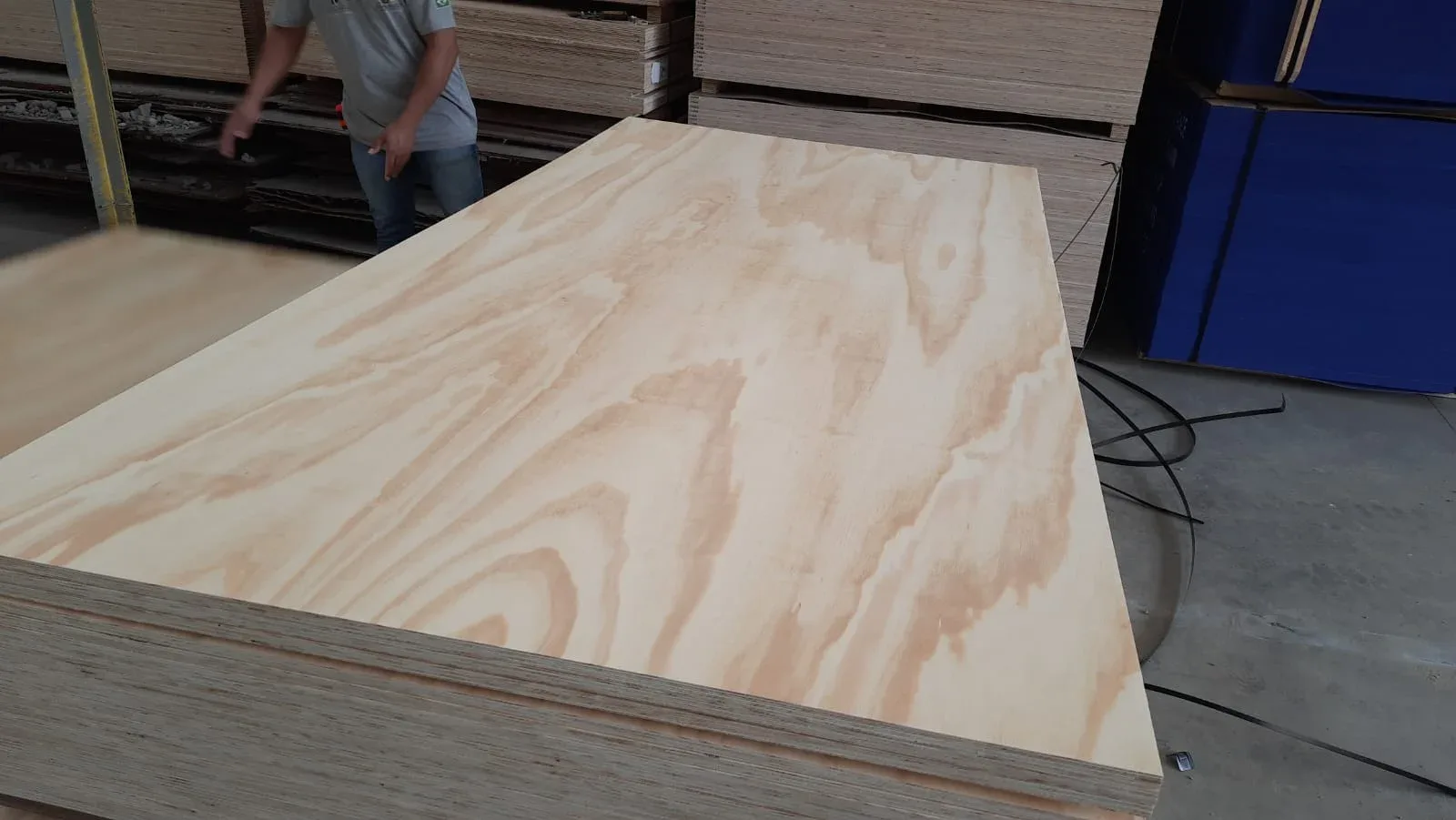
Paraná state — particularly the municipalities of Curitiba, Ponta Grossa, Irati, São Mateus do Sul, Telêmaco Borba, and União da Vitória — is the heartland of Brazilian plywood production. The concentration of sawmills, veneer plants, and plywood presses in this corridor is unmatched anywhere in South America.
Key facts about Paraná's timber industry:
- Home to the majority of Brazil's plywood production capacity
- Paraná state accounts for roughly 60–65% of Brazil's total plywood export volume
- Most mills are within 200–300km of the Port of Paranaguá — Brazil's main timber export port
- Strong cluster of plywood manufacturers producing CDX, A/B, B/B, and film-faced grades for export
Port of Paranaguá — located on the Paraná coast, approximately 100km from Curitiba — handles the vast majority of Brazilian plywood and panel exports. It is one of South America's busiest commodity ports. Container lead times from mill to vessel are typically 1–2 weeks for mills in the Paraná interior.
Santa Catarina: furniture, MDF, and premium panels
Santa Catarina state — particularly the Serra Gaúcha and Meio-Oeste regions around Lages, Caçador, Curitibanos, and São Bento do Sul — specialises in:
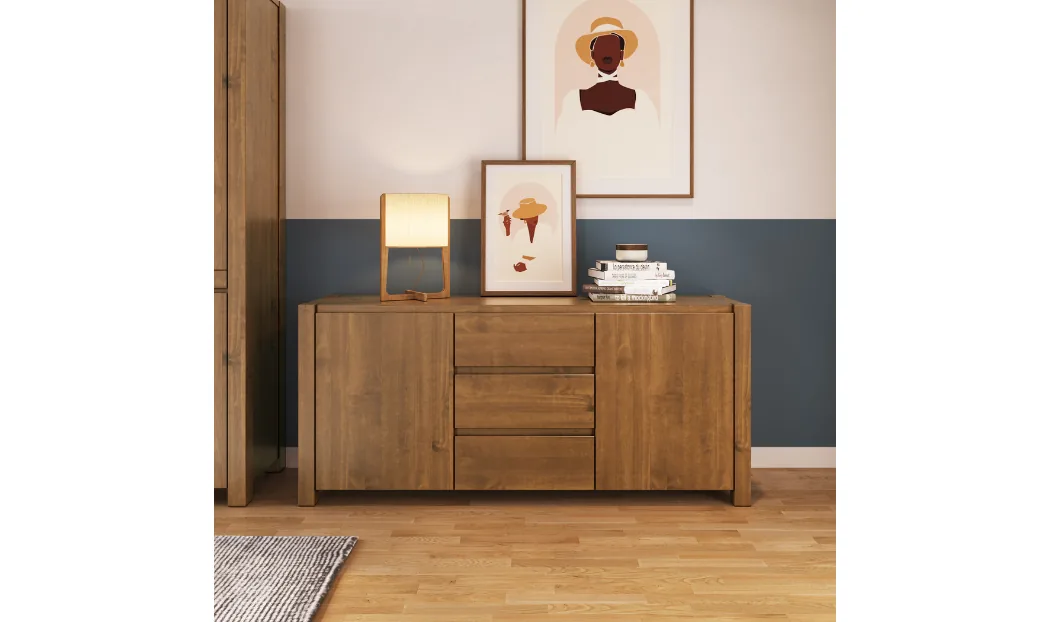
- Pine furniture — São Bento do Sul is Brazil's most important furniture manufacturing hub, known for quality solid pine and pine MDF furniture exported to Europe, the US, and the Middle East
- MDF and particleboard — several of Brazil's largest MDF production plants are in Santa Catarina, producing E1 and CARB P2 panels for furniture and construction
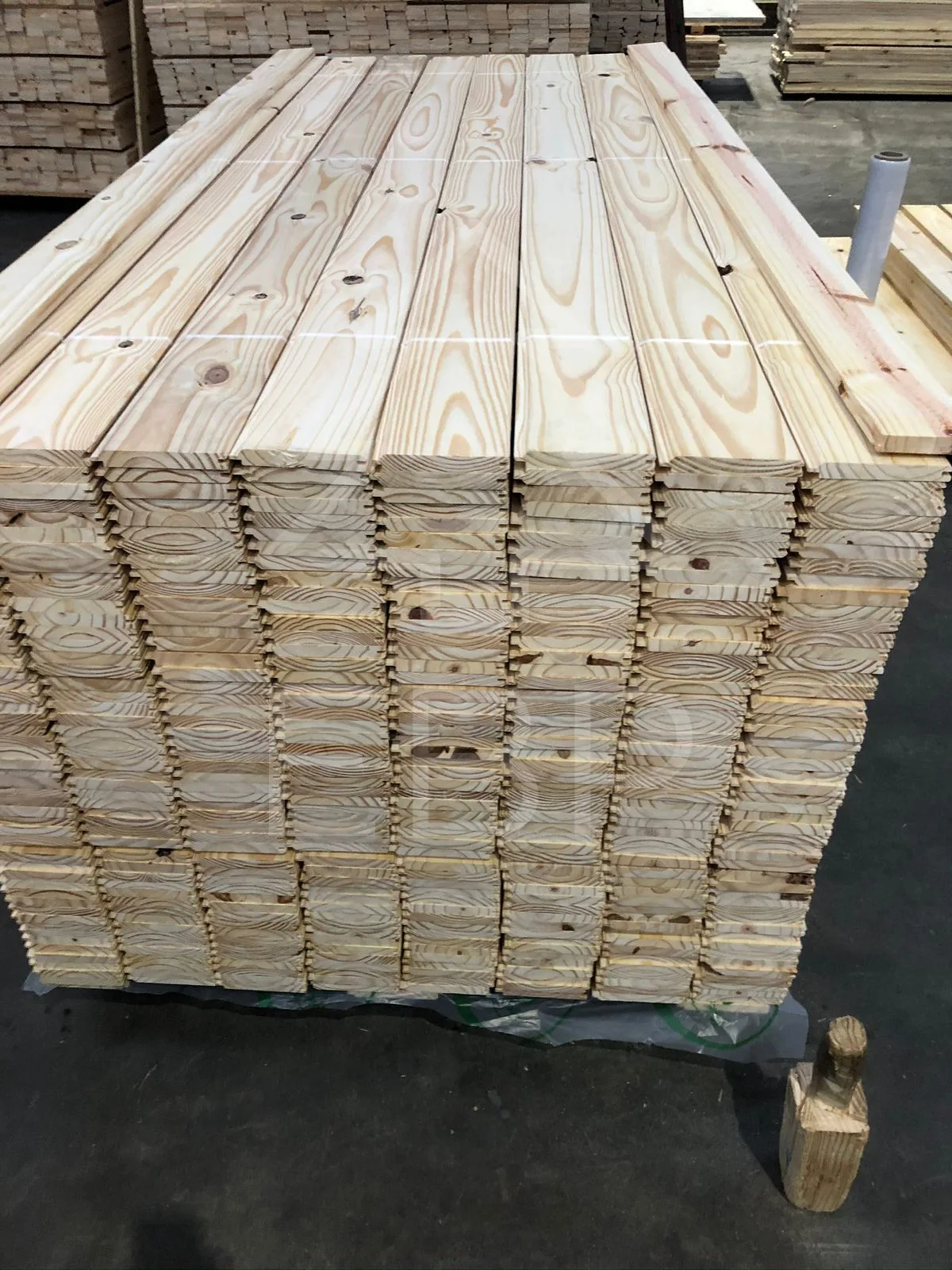
- Sawn timber and mouldings — high-volume production of kiln-dried pine boards, mouldings, and finger-jointed panels
Santa Catarina exports primarily through Port of Itajaí (for furniture and finished products) and Port of São Francisco do Sul (for bulk commodities). Some manufacturers also route through Paranaguá depending on freight rates and container availability.
Rio Grande do Sul: sawn timber and secondary production
Rio Grande do Sul, the southernmost state, plays a supporting role in timber exports. It is primarily a source of:
- Sawn timber for regional construction markets
- Some plywood production, particularly for domestic consumption
- Eucalyptus pulp and paper (a different wood commodity)
The timber industry here is smaller and less export-oriented than Paraná and Santa Catarina. Most Rio Grande do Sul timber exports flow through Port of Rio Grande.
Mato Grosso and Pará: tropical hardwood, not pine
Buyers searching for "brazil timber wholesale markets mato grosso pará" are typically looking at tropical hardwood, not plantation pine. These are fundamentally different commodities:
Mato Grosso and Pará are located in the Amazon basin and cerrado biome. They are the source of tropical species including:
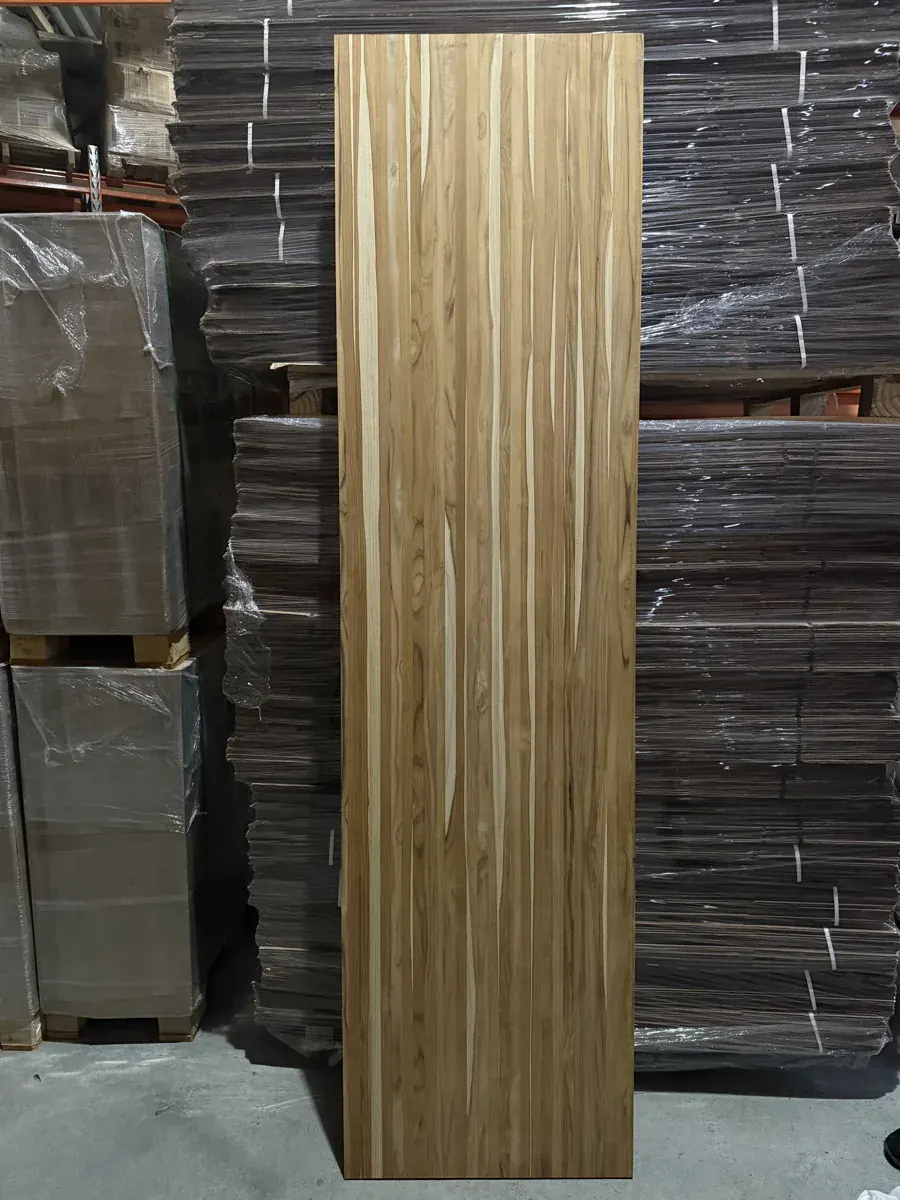
- Cumaru (Brazilian Teak), Ipe, Jatoba, Massaranduba, Tauari
- These are used for decking, flooring, heavy structural timber, and high-end outdoor furniture
- Supply is regulated by IBAMA and FUNAI authorisations; volumes are significantly smaller than plantation pine
The EUDR (EU Deforestation Regulation) and US Lacey Act require stricter documentation for Amazonian hardwood than for southern plantation pine, because deforestation risk is higher. Plantation pine from Paraná and Santa Catarina, by contrast, originates from land that has been plantation-managed for decades.
If you are sourcing pine plywood, MDF, or sawn pine for construction or furniture, your supply comes from Paraná and Santa Catarina — not Mato Grosso or Pará.
What this means for importers
Verify the origin state. When a supplier says "we source from the best mills in Brazil," ask which state and which city. A plywood supplier based in São Paulo (which has no pine production) is likely a trading intermediary, not a manufacturer.
Port of loading matters. For plywood and MDF, the Port of Paranaguá is by far the most used. Port of Itajaí is common for furniture. If a supplier quotes loading from Santos (São Paulo's main port) for pine plywood, ask why — it may indicate the product is being re-exported from intermediary stock rather than shipped direct from the mill.
Plantation documentation is available. Because southern Brazilian pine comes from mapped, registered plantations with decades of operational history, it has the best EUDR and Lacey Act documentation profile of any tropical-adjacent timber supply chain. IBAMA registration numbers, plantation GPS coordinates, and FSC chain-of-custody are all available for Paraná and Santa Catarina pine.
Key timber hubs at a glance
| Region | Main products | Export port |
|---|---|---|
| Paraná (Irati, Telêmaco, União da Vitória) | CDX/A/B/B/B plywood, film-faced | Paranaguá |
| Paraná (Ponta Grossa, Curitiba corridor) | MDF, plywood, sawn wood | Paranaguá |
| Santa Catarina (São Bento do Sul) | Pine furniture, panels | Itajaí, São Francisco do Sul |
| Santa Catarina (Lages, Caçador) | MDF, sawn timber, mouldings | Itajaí |
| Rio Grande do Sul | Sawn timber | Rio Grande |
| Mato Grosso / Pará | Tropical hardwood | Manaus, Belém, Santos |
Export Brazil Pine sources plywood, MDF, sawn timber, and furniture from mills in Paraná and Santa Catarina. All products ship from the Port of Paranaguá with full origin documentation. Contact us via the inquiry form for a current product listing, FOB pricing, and compliance document lot evidence.
Related reading
Brazil Timber Export Statistics 2025 · EUDR and Brazilian Timber Imports · How to Vet a Brazilian Timber Supplier · Pine Plywood
Ready to source from Brazil?
We'll send specs, photos, and pricing within 24 hours.
Stay informed
New guides, specs & market updates
Join 400+ timber importers who get our monthly brief — no spam, unsubscribe anytime.
Contents
Get a quote
Ready to source Brazilian timber? We will send specifications, pricing and photos within 24 hours.
Request a quote