CARB P2 Pine Plywood from Brazil: US Importer Guide
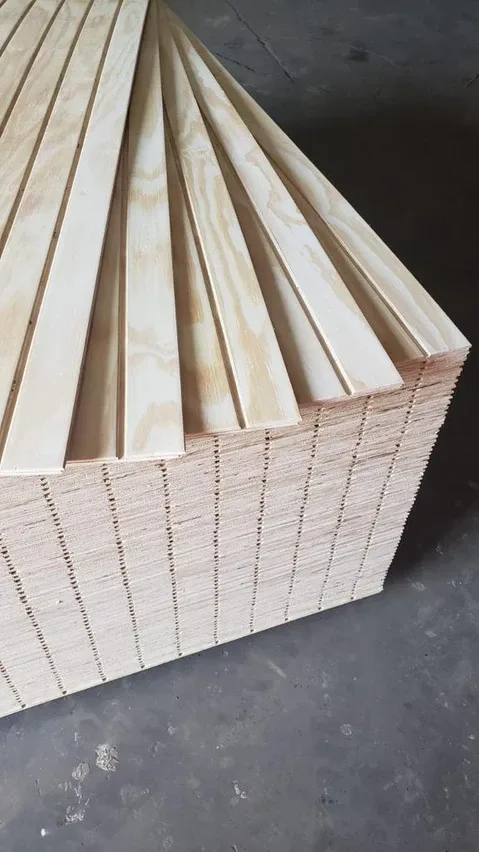
If you import composite wood products into the United States — including plywood, MDF, or particleboard — CARB Phase 2 (CARB P2) compliance is a legal requirement, not an option. This guide explains what CARB P2 means for Brazilian pine plywood and what documentation you need with every shipment.
What is CARB P2?
CARB stands for the California Air Resources Board. Its Airborne Toxic Control Measure (ATCM) for composite wood products limits formaldehyde emissions. Although originally a California regulation, ATCM has been effectively adopted at the federal level through the Formaldehyde Standards for Composite Wood Products Act (TSCA Title VI), enforced by the EPA.
CARB Phase 2 sets the strictest emission limits:
| Product type | CARB P2 emission limit |
|---|---|
| Hardwood plywood — veneer core | 0.05 ppm |
| Hardwood plywood — composite core | 0.05 ppm |
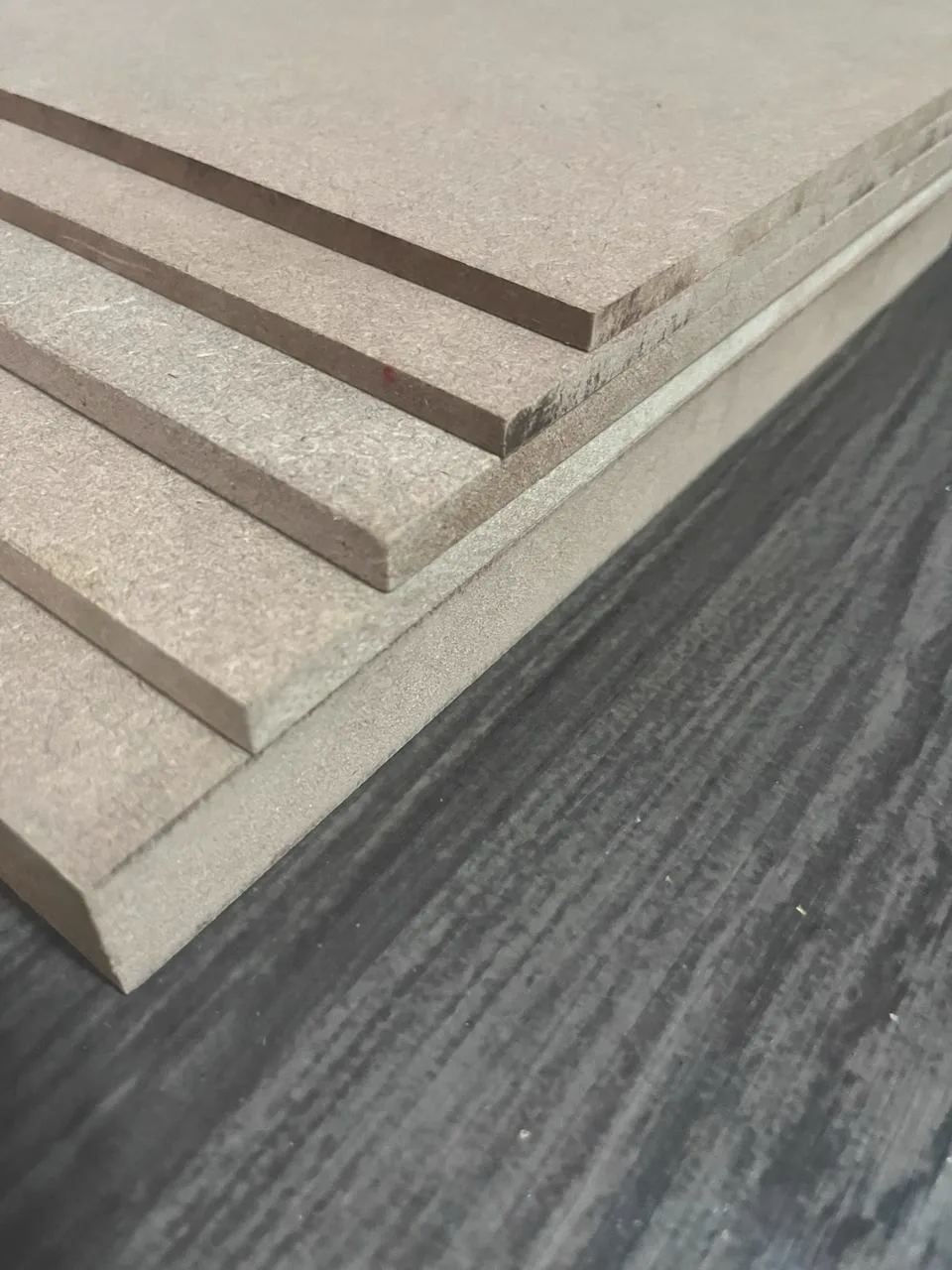
| Medium Density Fibreboard (MDF) | 0.11 ppm (standard) |
| Particleboard | 0.09 ppm |
All composite wood products imported into the US must comply, regardless of whether they are sold in California or another state.
How Brazilian pine plywood achieves CARB P2 compliance
CARB P2 certification requires four elements:
- Approved adhesive/resin — typically ultra-low-emitting formaldehyde (ULEF) resins or no-added-formaldehyde (NAF) adhesives
- Third-party certification (TPC) — an EPA-approved third-party certifier tests products and audits manufacturers on an ongoing basis
- Labelling — all CARB P2 product must carry the certification stamp with the TPC identifier
- Chain of custody — importers must be able to trace the product back to the certified mill
Our Brazilian pine plywood suppliers are certified by TSCA/CARB P2-approved certifiers including Bureau Veritas, SGS, and INTERTEK.
What documents to request with every shipment
| Document | What it confirms |
|---|---|
| CARB P2 / TSCA Title VI compliance certificate | TPC name, certificate number, covered product categories |
| Mill-specific CARB certificate | The production facility is certified |
| Third-party test reports | Emission levels from accredited lab |
| Packing list with CARB P2 marking | Batch shipped matches certified specification |
Retain all compliance documentation for a minimum of 3 years — the retention period required under TSCA Title VI.
Common compliance mistakes to avoid
- Ordering by grade only, without confirming CARB P2 certification
- Accepting supplier declaration without verifying the TPC certificate number at the EPA database
- Buying from an uncertified mill and assuming certification transfers with the product
- Failing to verify the certificate covers plywood specifically (not just MDF or particleboard)
- Not retaining documentation for the required 3-year period
How to verify a CARB P2 certificate
- Get the TPC certificate number from your supplier's CARB compliance certificate
- Search the EPA TSCA Title VI database at epa.gov/tsca-wood to verify the certificate is current and the mill name matches
- Confirm the product category (hardwood plywood, softwood plywood, MDF etc.) is explicitly covered
CARB P2 vs TSCA Title VI: are they the same?
Short answer: yes, functionally. Here is the detail:
CARB ATCM (2008) — California Air Resources Board Airborne Toxic Control Measure. Originated in California. Sets formaldehyde emission limits for composite wood products sold in or into California.
TSCA Title VI (2010) — Federal law, Formaldehyde Standards for Composite Wood Products Act. EPA-enforced. Adopts CARB Phase 2 limits at the federal level for all 50 states.
In practice, if a product is certified under TSCA Title VI, it meets CARB P2 requirements. Both use the same emission limits, the same third-party certification structure, and are verified via the same EPA database. When suppliers say "CARB P2 certified," they mean their product is certified under the TSCA Title VI framework by an EPA-approved TPC.
What happens if a shipment is found non-compliant?
EPA enforcement of TSCA Title VI includes product testing at ports of entry and in distribution. If a product is found non-compliant:
- The importer is responsible — not the overseas manufacturer
- Products can be detained, recalled, or required to be re-exported
- Civil penalties can reach USD 37,500 per violation per day
This is why retaining the TPC compliance certificate, mill certificate, and lab test reports for each shipment is not optional. The documentation must be producible on demand.
How to include CARB P2 in your order specification
When placing an order with EBP, include these in your purchase order or inquiry:
- State: "CARB P2 / TSCA Title VI compliance required"
- Specify the product category (softwood plywood, hardwood plywood, or MDF)
- Request the third-party certifier name (Bureau Veritas, SGS, or Intertek) and certificate number
- Confirm the packing list will include CARB P2 identification per bundle
This ensures the mill selects CARB-certified adhesive batches from the outset — compliance cannot be added after production.
Frequently asked questions
Is CARB P2 certification required for plywood sold only outside California? Yes — TSCA Title VI applies to all US states, not just California. Any composite wood product sold anywhere in the US must comply.
Does FSC certification mean CARB P2 compliance? No — these are separate certifications. FSC covers chain of custody and sustainability. CARB P2 covers formaldehyde emissions. A product can be FSC-certified without being CARB P2 compliant, and vice versa.
Can I verify the CARB certificate number myself? Yes — search the EPA's TSCA Title VI Third-Party Certifier database at epa.gov/tsca-wood using the TPC name and certificate number provided.
CARB P2 for MDF: different limits than plywood
The CARB P2 / TSCA Title VI limits differ by product type. When ordering both plywood and MDF on the same container, both must be independently certified:
| Product | CARB P2 limit | Notes |
|---|---|---|
| Softwood plywood | 0.05 ppm | Covers pine plywood |
| Hardwood plywood — veneer core | 0.05 ppm | |
| MDF (standard) | 0.11 ppm | Higher limit than plywood |
| Particleboard | 0.09 ppm |
Order both with CARB P2 certification confirmed for the correct product category — plywood and MDF are assessed and labelled separately.
Related reading
CDX Plywood Specifications · T1-11 Siding Specifications · How to Verify FSC Certification from Brazil · Plywood Grades Explained · Pine Plywood
EUDR-ready timber from Brazil?
All shipments come with full geolocation documentation.
Stay informed
New guides, specs & market updates
Join 400+ timber importers who get our monthly brief — no spam, unsubscribe anytime.
Contents
Continue your sourcing research
Get a quote
Ready to source Brazilian timber? We will send specifications, pricing and photos within 24 hours.
Request a quoteRelated resources