Brazilian Pine vs Radiata Pine: Which Is Cheaper to Import?
If you're sourcing pine for distribution, manufacturing, or construction, you've likely encountered both Brazilian pine and Radiata pine as options. They look similar on a spec sheet, they both come FSC-certified, and they both ship in standard 40' containers. But they are not interchangeable — and choosing the wrong one for your market can cost you customers.
This guide breaks down the key differences so you can make the right sourcing decision.
What Is Brazilian Pine?
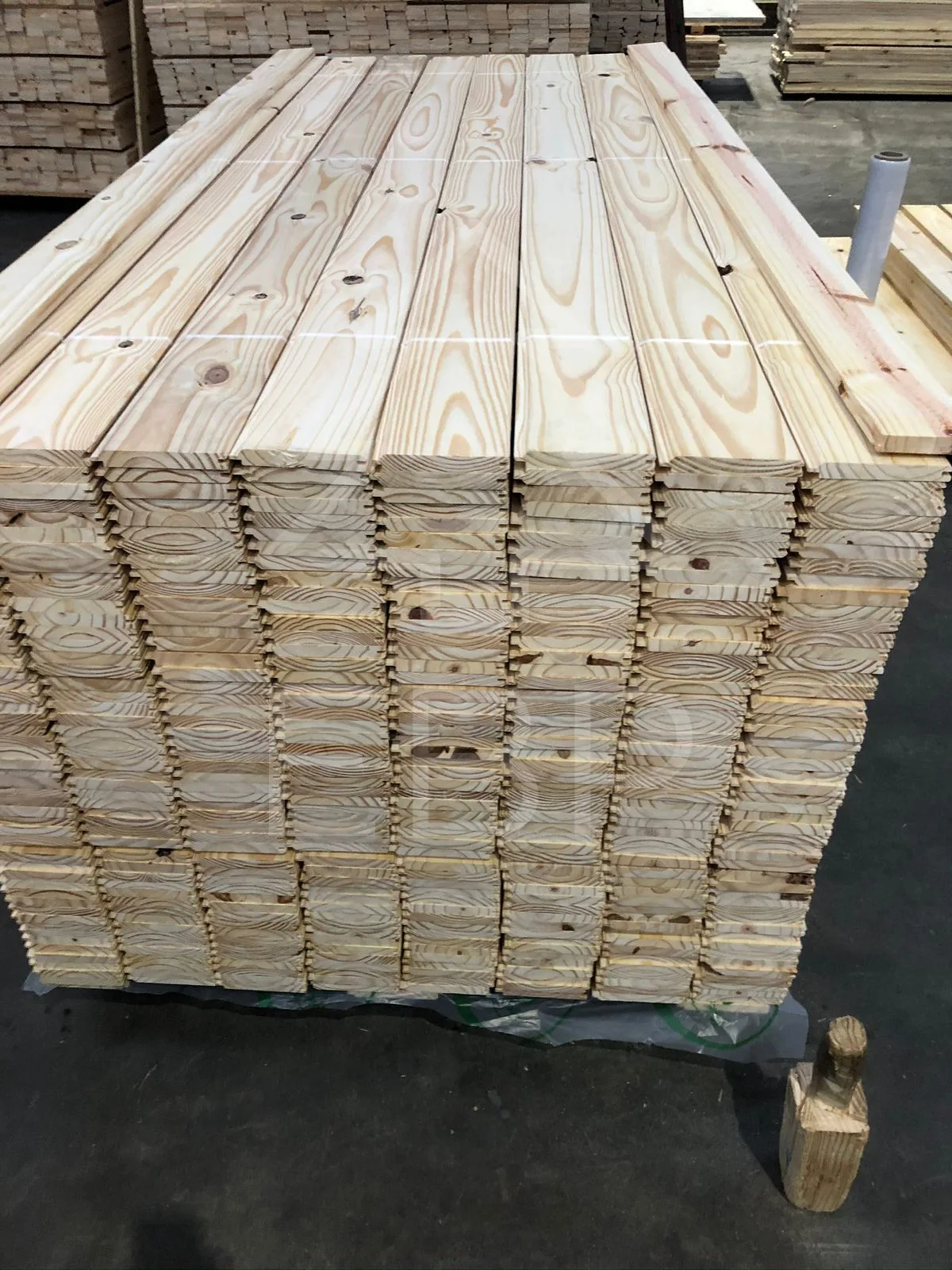
"Brazilian pine" in the export trade refers to plantation-grown Pinus elliottii and Pinus taeda cultivated primarily in the states of Paraná, Santa Catarina, and Rio Grande do Sul in southern Brazil. These species were introduced in the 1950s as part of large-scale reforestation programs and are now harvested sustainably under strict controls.
The most relevant product forms exported from Brazil are:
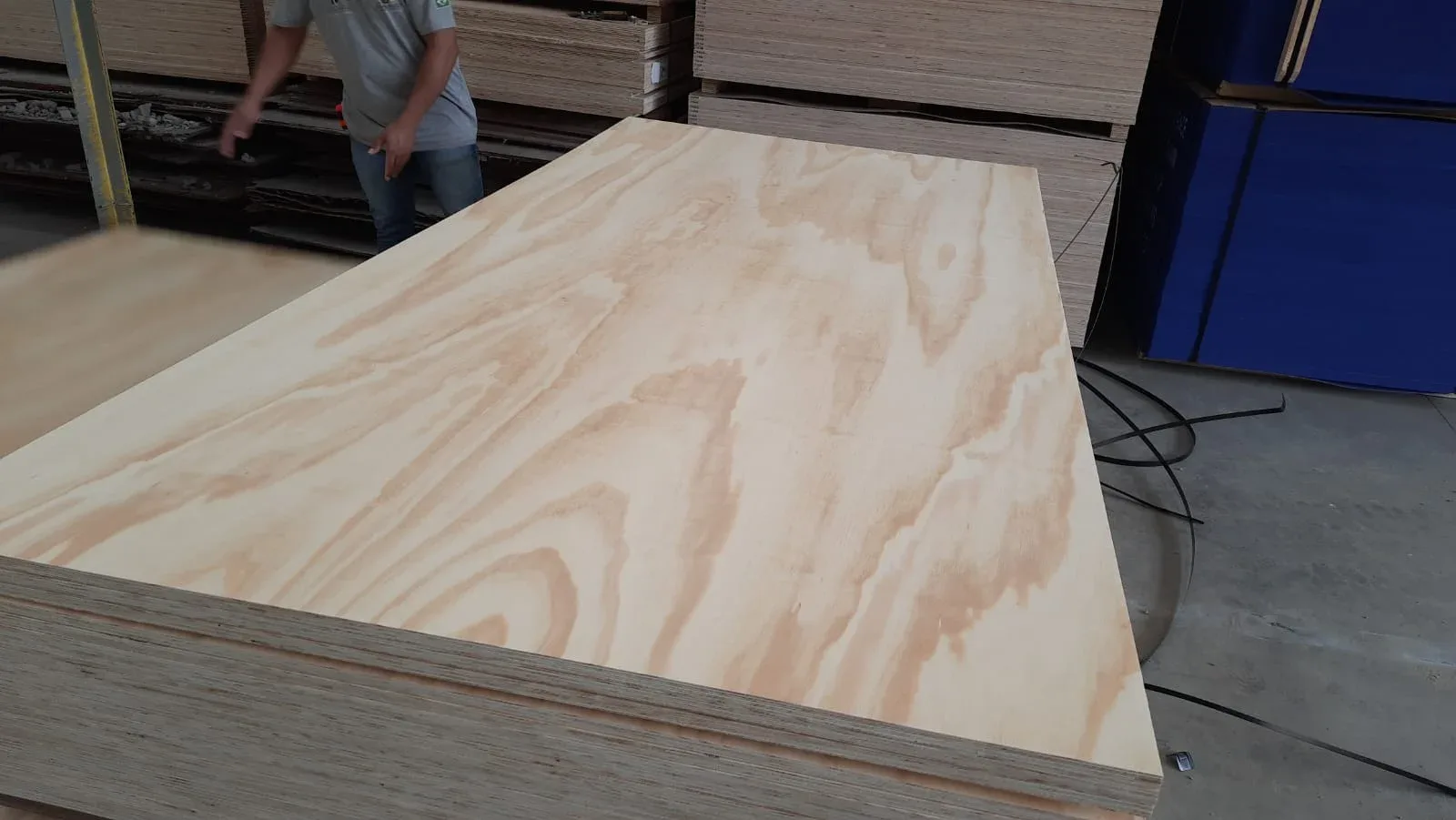
- Plywood (CDX, A/B, B/B, B/C, and shuttering grades)
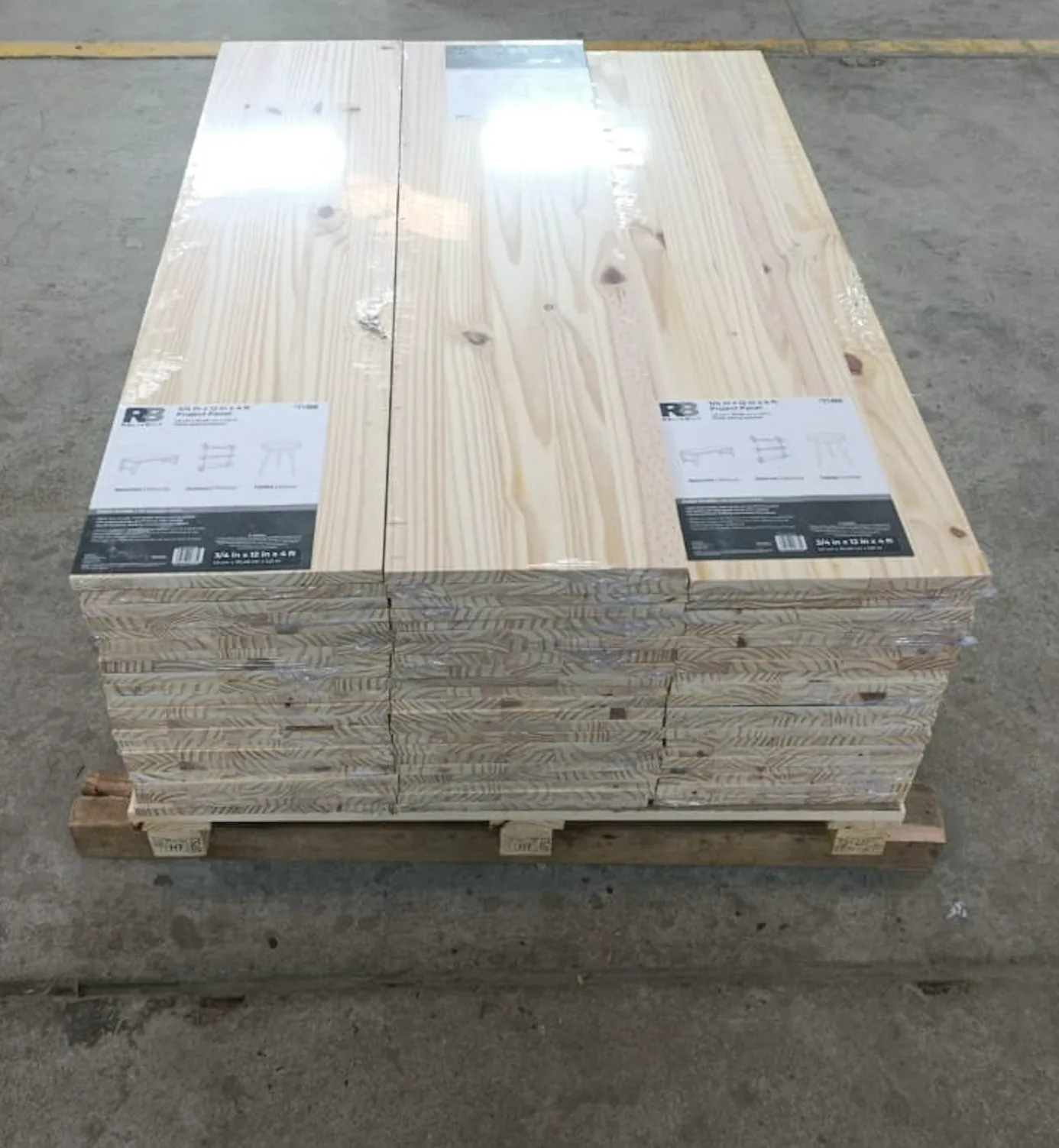
- Solid wood panels (edge-glued, finger-jointed, laminated)
- Sawn timber (S4S, KD, green)
- MDF and LDF panels (from pine and eucalyptus fiber)
- Pine furniture (bedroom, living room, flat-pack)
- Mouldings and doors
The Brazilian pine industry is mature, export-oriented, and well-integrated with international certification systems. Most major mills hold FSC Chain of Custody and CARB P2 certifications.
What Is Radiata Pine?
Radiata pine (Pinus radiata) is grown primarily in Chile, New Zealand, and Australia. Chile is by far the largest exporter, particularly for plywood and finger-jointed panels. New Zealand Radiata is common in the Australian and Pacific markets; Australian-grown Radiata is consumed domestically.
Radiata is one of the fastest-growing commercial pine species in the world — reaching harvest age in 25–30 years — and its large-scale plantation model in Chile has made it a major competitor to Brazilian pine in Latin America and parts of Europe.
Side-by-Side Comparison
Density and Strength
Brazilian Pinus taeda and Pinus elliottii have a dry density of approximately 500–560 kg/m³. Radiata pine comes in slightly lighter at 430–510 kg/m³.
In practice this means Brazilian pine panels and boards are marginally stiffer, which matters in structural applications like flooring substrates, roof decking, and furniture carcasses. For decorative or interior applications where weight is a concern, the difference is negligible.
Advantage: Brazilian pine for structural density.
Grain and Surface Quality
Radiata pine has a straighter, more uniform grain with fewer knots in clear grades. This makes it popular for furniture facing and visible joinery work where a clean surface is the priority.
Brazilian pine — especially Pinus elliottii — has more pronounced grain character with tighter growth rings due to the subtropical climate. The high-grade exports (A/B, B/B plywood; clear finger-jointed panels) are visually comparable to Radiata in clear grades, but the knot frequency and color variation in mid-grades is slightly higher.
Advantage: Radiata pine in clear-grade furniture facing. Brazilian pine in structural and commodity grades where appearance is secondary.
Certifications Available
Both can be sourced FSC-certified. The key differences are in market-specific certifications:
| Certification | Brazilian Pine | Radiata Pine (Chile) |
|---|---|---|
| FSC Chain of Custody | Yes | Yes |
| CARB P2 (USA) | Yes — many mills | Less common |
| EN 636 (Europe) | Yes — plywood | Yes — plywood |
| ABNT NBR 9531 | Yes | No |
| PS2-10 (USA structural) | Yes | Varies |
| E1 Formaldehyde | Yes | Yes |
For US-market buyers, Brazilian pine has a clear edge in CARB P2 availability. CARB P2 compliance is required for composite wood panels sold in California and effectively required by major US retailers nationwide. While Chilean Radiata mills do offer CARB P2 products, the selection is narrower.
Advantage: Brazilian pine for the US market. Comparable for Europe.
Price
Radiata pine from Chile is typically 5–12% cheaper than Brazilian equivalents on equivalent grades, driven by Chile's lower production costs and geographic proximity to key South American and Pacific markets.
However, for buyers in North America, Europe, and the Middle East, the freight differential often reverses this. Brazil's Atlantic ports (Paranaguá, Itajaí, São Francisco do Sul) have direct liner services to Rotterdam, Houston, Felixstowe, and Jeddah — often with better frequency and shorter transit than Chilean Pacific ports to Atlantic-facing destinations.
Advantage: Radiata on ex-works price. Brazilian pine often wins on landed cost for Atlantic-market buyers.
Lead Times
Both sources typically work on 6–10 week lead times from order confirmation to vessel loading, depending on mill backlog. Brazilian exporters ship FCL (40'HC) direct to all major destination ports.
Comparable, with a slight edge to Brazil for Atlantic markets.
Availability of Grades and Dimensions
Brazilian pine mills offer a wider range of plywood thicknesses (9mm through 30mm), more grade combinations, and a broader portfolio of value-added products (pre-finished panels, overlaid plywood, UV-lacquered solid panels, flat-pack furniture). The Brazilian industry has invested heavily in downstream processing.
Chilean Radiata exports are more concentrated in commodity plywood grades and basic finger-jointed panels. The furniture and value-added segment is less developed.
Advantage: Brazilian pine for breadth of product range and value-added options.
Which Should You Choose?
Choose Brazilian pine if:
- You're importing into the USA, Europe, or the Middle East
- CARB P2 compliance is required or preferred
- You need a broad product portfolio from a single origin (plywood + panels + furniture + mouldings)
- You're building a long-term supply relationship with one agent or mill group
- Structural applications are in scope (roof decking, subfloor, shuttering)
Choose Radiata if:
- You're importing into South America or Pacific markets where Chilean proximity is a freight advantage
- Clear-grade furniture facing is your primary application
- You're price-sensitive on commodity grades and can absorb the CARB P2 limitation
- You already have an established Chilean supply chain
A Note on Consistency
One underrated advantage of Brazilian pine is supply consistency. Brazil's plantation base is large, geographically distributed, and not subject to the same drought and wildfire risk that periodically disrupts Chilean production. Southern Brazilian mills have strong order books but also well-managed inventories — making it easier to plan 6–12 month forward purchasing programs.
Ready to Source Brazilian Pine?
Export Brazil Pine works as a direct agent connecting importers and distributors to reputable mills in southern Brazil. We handle quotations, certifications, technical specifications, and logistics coordination — so you get the product you need without the friction of managing multiple mill contacts.
Browse our full product range: Plywood · Solid Wood Panels · MDF Panels · Sawn Wood · Furniture
Related reading: Plywood Grades Explained · FOB vs CIF: Which Incoterm? · Furniture From Brazil: Why Import It?
Comparing suppliers for your market? See the import guides for the United States, Canada and the European Union.
Ready to source from Brazil?
We'll send specs, photos, and pricing within 24 hours.
Stay informed
New guides, specs & market updates
Join 400+ timber importers who get our monthly brief — no spam, unsubscribe anytime.
Contents
Continue your sourcing research
Get a quote
Ready to source Brazilian timber? We will send specifications, pricing and photos within 24 hours.
Request a quoteRelated resources