Iran War 2026: Freight and Plywood Prices, Q4 Update
Updated 29 September 2026
Q4 2026 update: freight has become a competitiveness factor
The disruption around the Strait of Hormuz, functionally closed since the end of February, has moved from a shipping story to a wider cost story. Rates on some lanes have eased from their summer peaks, but the picture differs sharply by route.
Container spot rates per 40-foot container (24 September 2026)
| Route | USD per 40′ container |
|---|---|
| Far East → US East Coast | 11,259 — up 325% since late February, 11% below pandemic records |
| Far East → US West Coast | 7,960 |
| Far East → North Europe | 4,103 |
| Far East → Mediterranean | 4,434 |
| North Europe → US East Coast | 2,956 |
The difference between an Asian and a European shipment to the US East Coast now exceeds USD 8,300 per container. Freight is no longer a small add-on to the quote — it changes which products compete.
What is easing and what is not
- Asia–Europe is softening as carriers return to the Red Sea, although security risks near Bab el-Mandeb could reverse this.
- Transpacific rates remain very high.
- Fuel costs are rising again, and petrochemical-linked inputs are expected to stay elevated even after any reopening of the strait. Phenolic resin, used in exterior-grade plywood, is petrochemical-based, so mills are watching this input closely.
What this means for buyers of Brazilian pine plywood
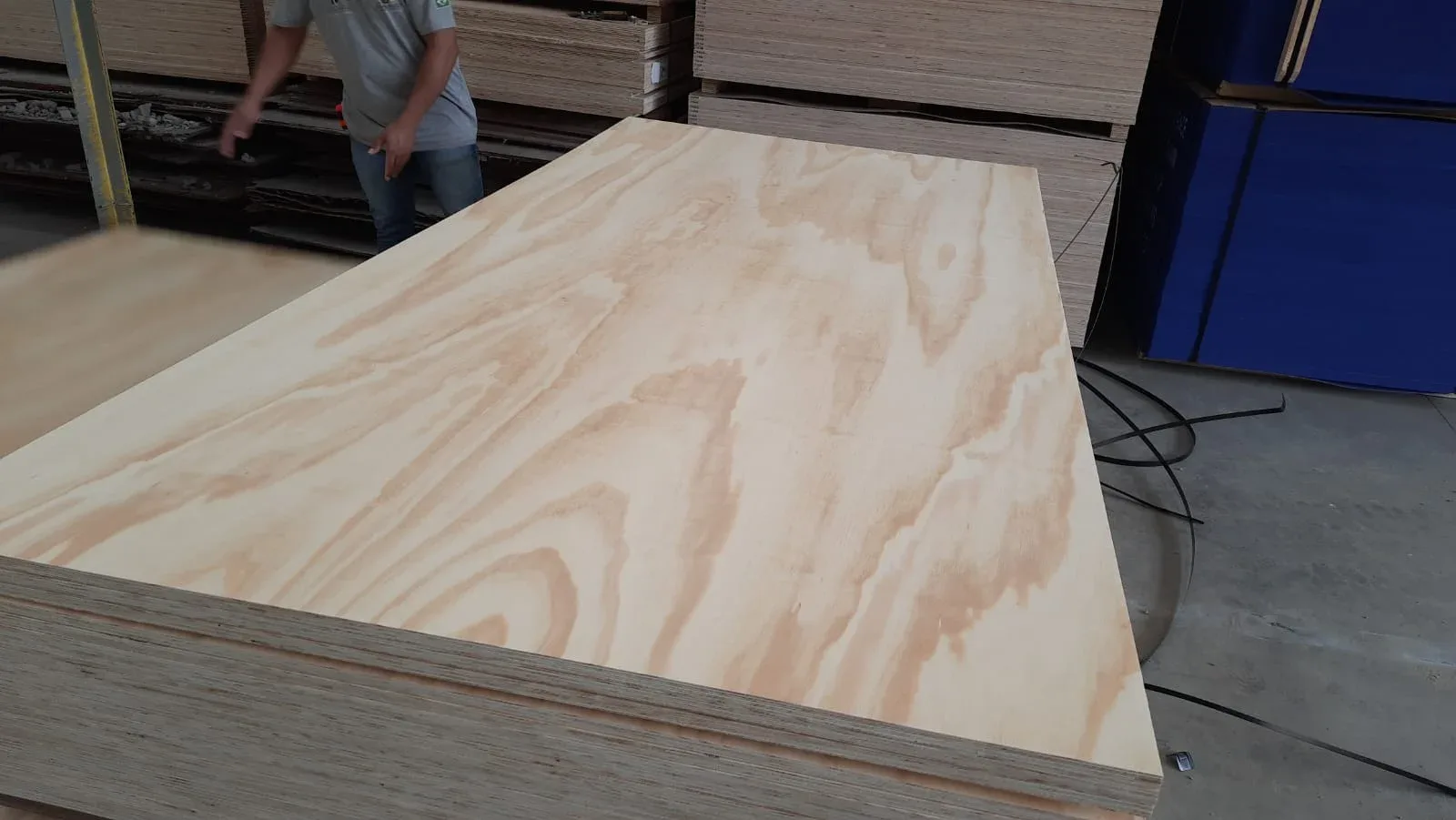
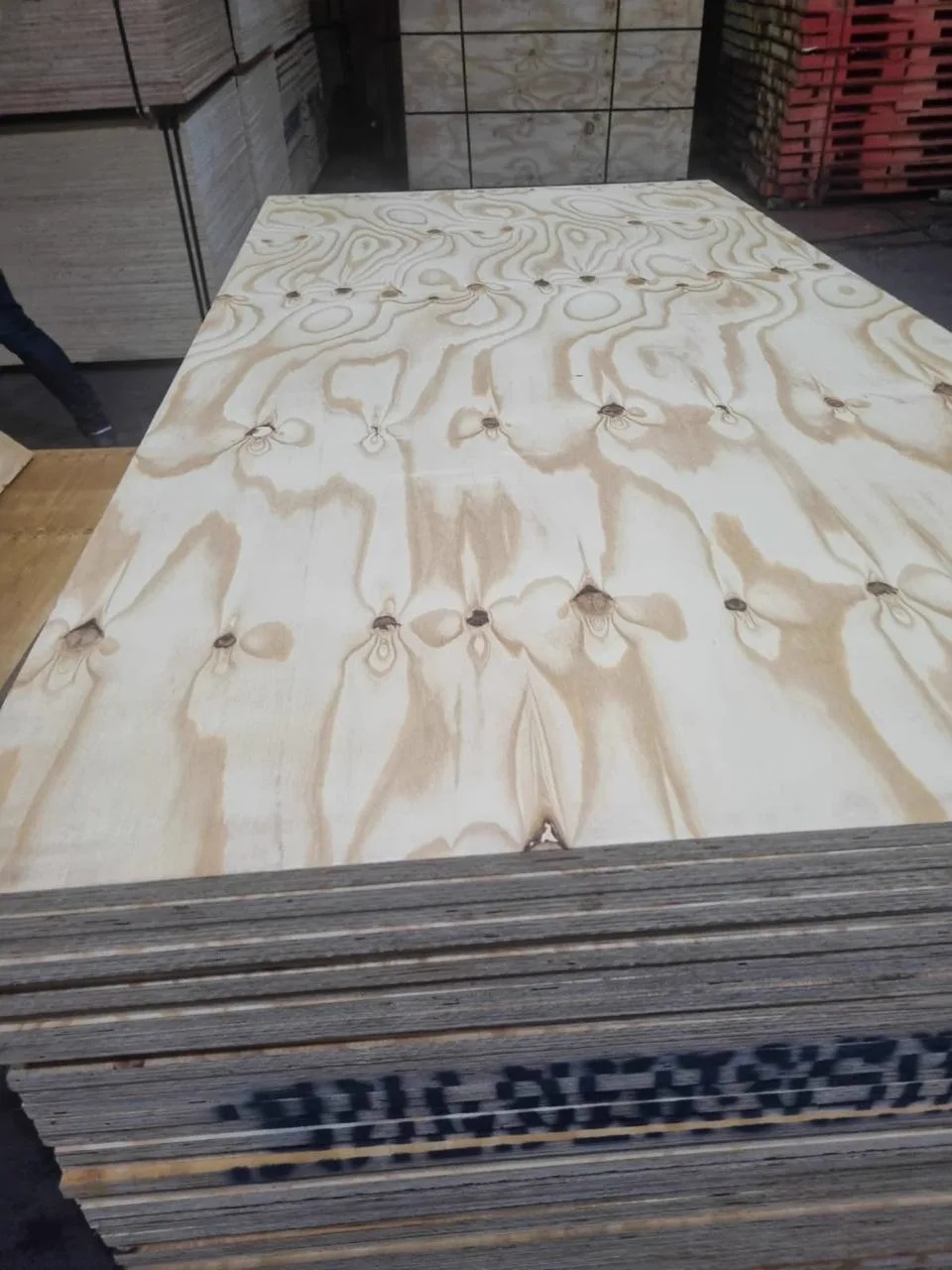
Brazilian mills ship from southern Atlantic ports, a shorter route to the Americas and Europe than Asian origins. That limits exposure to the transpacific spike, but it does not remove freight and fuel effects, so rates on each lane should always be confirmed at booking.
Demand for Brazilian panels is moving: Brazil shipped 183,100 m³ of plywood in August 2026, 20% more than a year earlier.
Practical steps for Q4 and Q1
- Compare quotes on a landed-cost basis, not on FOB alone.
- Ask for the validity period of every freight figure.
- Request rates for your actual origin and destination pair from your forwarder.
- Consider staggering orders instead of committing a full year of volume to one rate.
- Ask your supplier how resin and fuel costs are reflected in the price.
Our quotes show the FOB mill price separately from freight, and we help buyers build landed-cost comparisons. Request a quote or message us on WhatsApp.
The original analysis from July 2026 follows below.
A war in the Middle East is not the first place a plywood importer looks for a price explanation — but since early 2026, it has become one of the biggest single forces moving freight and building-material costs worldwide. This article summarises what is happening, why it reaches timber and panel pricing specifically, and what it means for buyers sourcing from Brazil.
What's happening
Since the war between the United States/Israel and Iran escalated in early 2026, the Strait of Hormuz — the chokepoint that normally carries around 20% of the world's seaborne oil — has been repeatedly disrupted. The International Energy Agency has described the resulting disruption as one of the largest in the history of the global oil market.
An interim ceasefire was reached in April 2026, but it has proven fragile: on 7 July, Iran attacked a Qatari LNG tanker near the Strait, and Brent crude jumped back above USD 74/barrel the same day, reversing weeks of gradual price relief. Negotiations toward a permanent settlement are ongoing, but the market is treating the situation as unresolved.
How a Middle East conflict moves plywood prices
Three separate channels connect the conflict to a plywood or panel invoice, and none of them require a shipment to go anywhere near Iran.
1. Ocean freight and bunker fuel
Carriers have rerouted a large share of Asia–Europe and Asia–Middle East services around the Cape of Good Hope to avoid the Red Sea and Gulf approaches, adding roughly 10–20 days per voyage. That ties up vessel capacity fleet-wide, and the effect has shown up directly in rates: container costs on the Asia–US lane have risen sharply since the war began, with US West Coast rates up around 56% and East Coast rates up around 41% versus pre-war levels. On the Shanghai–Jebel Ali route, spot rates jumped from about USD 1,800 to over USD 4,000 per 40-foot container in a matter of days during one escalation in June.
Bunker fuel itself has also become more expensive as crude prices climbed, and several major carriers and integrators have layered on fuel surcharges of 25–40% since the spring. Because bunker fuel is priced as a global commodity, this part of the cost increase reaches vessels on routes that never come near the Gulf.
2. Resin and adhesive costs
Plywood, MDF, OSB and particleboard are bonded with phenolic or urea-formaldehyde resins, which are petrochemical derivatives. Industry cost analysts estimate resin and wax inputs account for 10–35% of the variable production cost of these panel products. When crude and naphtha prices rise, resin costs follow within a production cycle or two — a cost pressure that hits every mill regardless of where it ships from.
3. Broader construction-materials inflation
Construction input costs in the US rose at what one industry economist called a "staggering" annualised rate in early 2026, and lumber/panel indices have continued to tick up through mid-year — Southern Pine dimension lumber up roughly 3–4%, CDX plywood up around 1.4%, in the most recent monthly reads. None of that is Iran-specific, but the energy shock is one of the named contributors industry analysts are pointing to.
Where Brazilian supply sits in this
Brazilian pine plywood ships from Paranaguá and São Francisco do Sul to the US, Europe, the Middle East and beyond via South Atlantic routes — not through the Suez Canal, the Red Sea, or the Strait of Hormuz. That is a genuine structural difference from Asian-origin plywood, much of which transits exactly the waters currently being rerouted around.
It is not full insulation, though, and buyers should not treat it as such:
- Bunker fuel is global. A Paranaguá–Houston or Paranaguá–Rotterdam sailing burns the same globally priced fuel as a ship crossing the Pacific, even though it never approaches the Gulf.
- Resin costs are global. A Brazilian mill's phenolic resin bill moves with the same petrochemical market as everyone else's.
- Capacity is fungible. When Asia–Europe capacity tightens, some vessels and equipment that would otherwise serve other trade lanes get pulled toward the more disrupted (and more lucrative) routes, tightening availability elsewhere too.
The practical takeaway: expect Brazilian FOB and freight quotes to firm up alongside the rest of the market, but expect the move to be smaller and less erratic than what Asia-origin buyers are currently seeing on landed cost.
What this means for buyers
Move faster on quotes. Brazilian mill FOB quotes are typically valid 7–15 days given normal exchange-rate exposure; in the current environment, that window is the effective time you have before a requote reflects the latest freight or resin move.
Separate the two cost lines. A rising landed cost right now is very likely a freight and bunker surcharge story, not a mill price story — ask your supplier or forwarder to itemise FOB versus freight versus surcharges rather than accepting a single bundled increase.
Book earlier than usual. With standard production lead times of 4–6 weeks from order confirmation to vessel loading, and ocean carriers prioritising capacity toward the most disrupted lanes, booking space earlier in the cycle reduces the risk of last-minute rate exposure.
Watch the ceasefire, not just the headlines about it. The April 2026 interim agreement has already been tested once, on 7 July. Further incidents near the Strait are the single biggest swing factor for where freight and fuel costs go from here.
Sources
This article draws on reporting and analysis from Freightos, Supply Chain Dive, DC Velocity, CNBC, Al Jazeera, Fastmarkets, the Associated General Contractors of America, and the RoMac Whole House Commodity Report (June 2026). Figures are as reported by these sources at time of writing and may shift as the situation develops. Q4 update: Global Wood Markets Info (24 September 2026), Market Prospects (late September 2026) and Wood Central (September 2026).
Related reading
Pine Plywood FOB Price Brazil 2025: Buyer's Guide · FOB vs CIF for Timber Imports · Import Duties on Plywood: USA, EU, UAE & Australia · Pine Plywood
Want a current FOB quote before your next order? Freight and resin costs are moving quickly. Export Brazil Pine can give you an up-to-date FOB quote and an honest read on how much of any increase is freight versus mill pricing. Request a quote →
Ready to place a container order?
Our export team handles FOB Paranaguá to any destination port.
Stay informed
New guides, specs & market updates
Join 400+ timber importers who get our monthly brief — no spam, unsubscribe anytime.
Contents
Get a quote
Ready to source Brazilian timber? We will send specifications, pricing and photos within 24 hours.
Request a quoteRelated resources