Lumber Up, Brazilian Plywood Down: Reading the Q3 2026 Price Split
Brazilian lumber and plywood are not telling the same story in Q3 2026. The market signal highlighted in this analysis is a split: sawn pine lumber is firming in some programmes while plywood is facing softer pricing and more selective buying.
That is not a contradiction. The two products share a forest base, but they do not share the same conversion costs, inventory cycle, customer mix or freight profile. For importers, the important question is not which headline is “right”. It is how to turn the split into a better purchasing decision.
The short version
- Sawn lumber can stay firm when kiln-dried programmes, specific sections and repeat demand keep mill capacity committed.
- Plywood can soften when inventories are more available, buyers delay commitments or mills compete for container orders.
- A lumber price signal should not be copied into a plywood quote — or the other way around.
- Landed cost still depends on grade, thickness, sheet size, packing, freight, duties and the destination port.
- Buyers who separate specifications and request a current, shipment-specific quote are better positioned than buyers relying on a broad “Brazilian wood” benchmark.
Why the categories can diverge
Different production bottlenecks
Sawn timber is sold by species, moisture target, section and grade. A kiln-dried S4S programme at a particular moisture level may have limited open capacity even when the wider lumber market looks balanced. A buyer who needs a fixed section, defect tolerance or packaging format is competing for a narrower production slot.
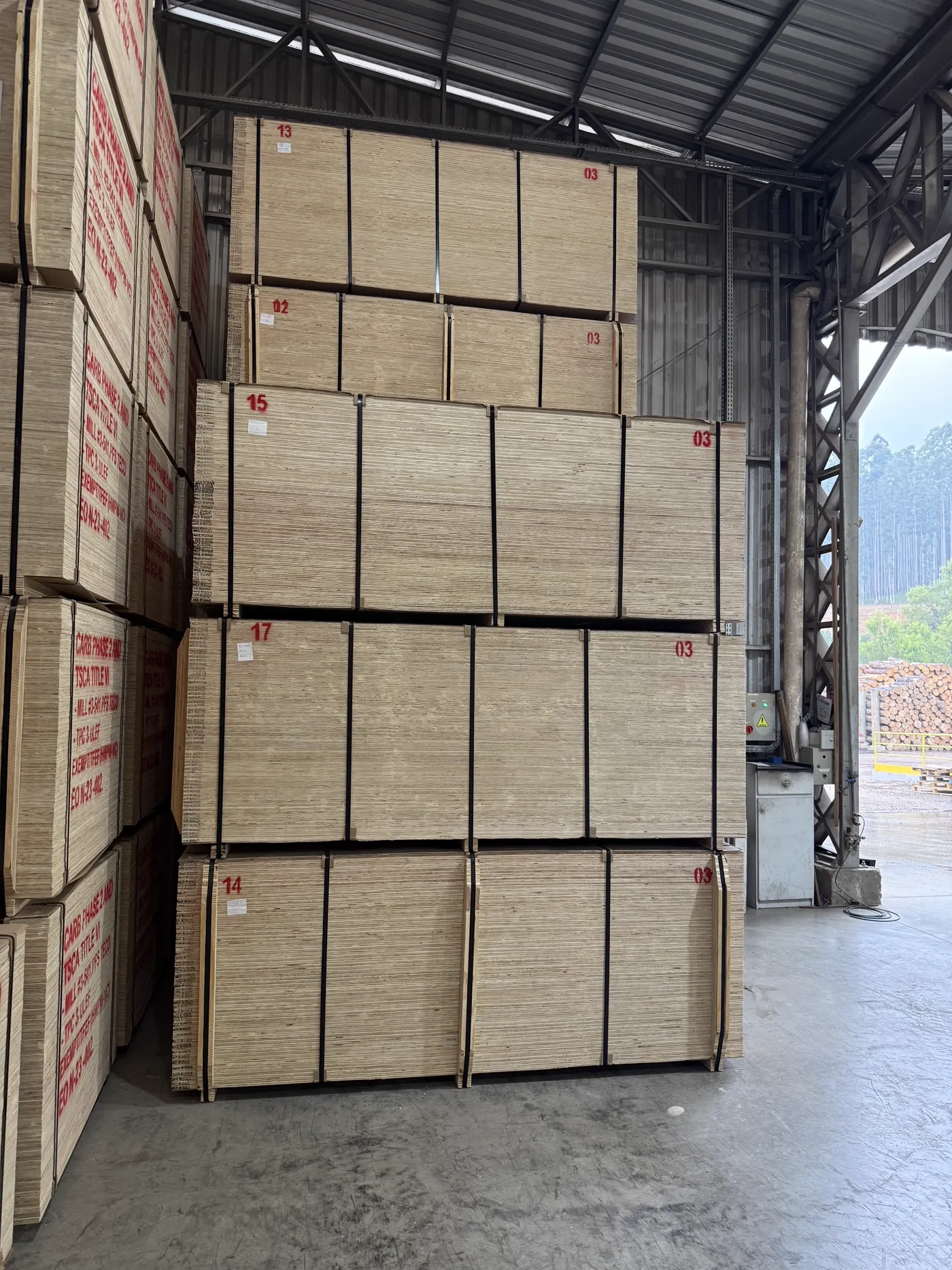
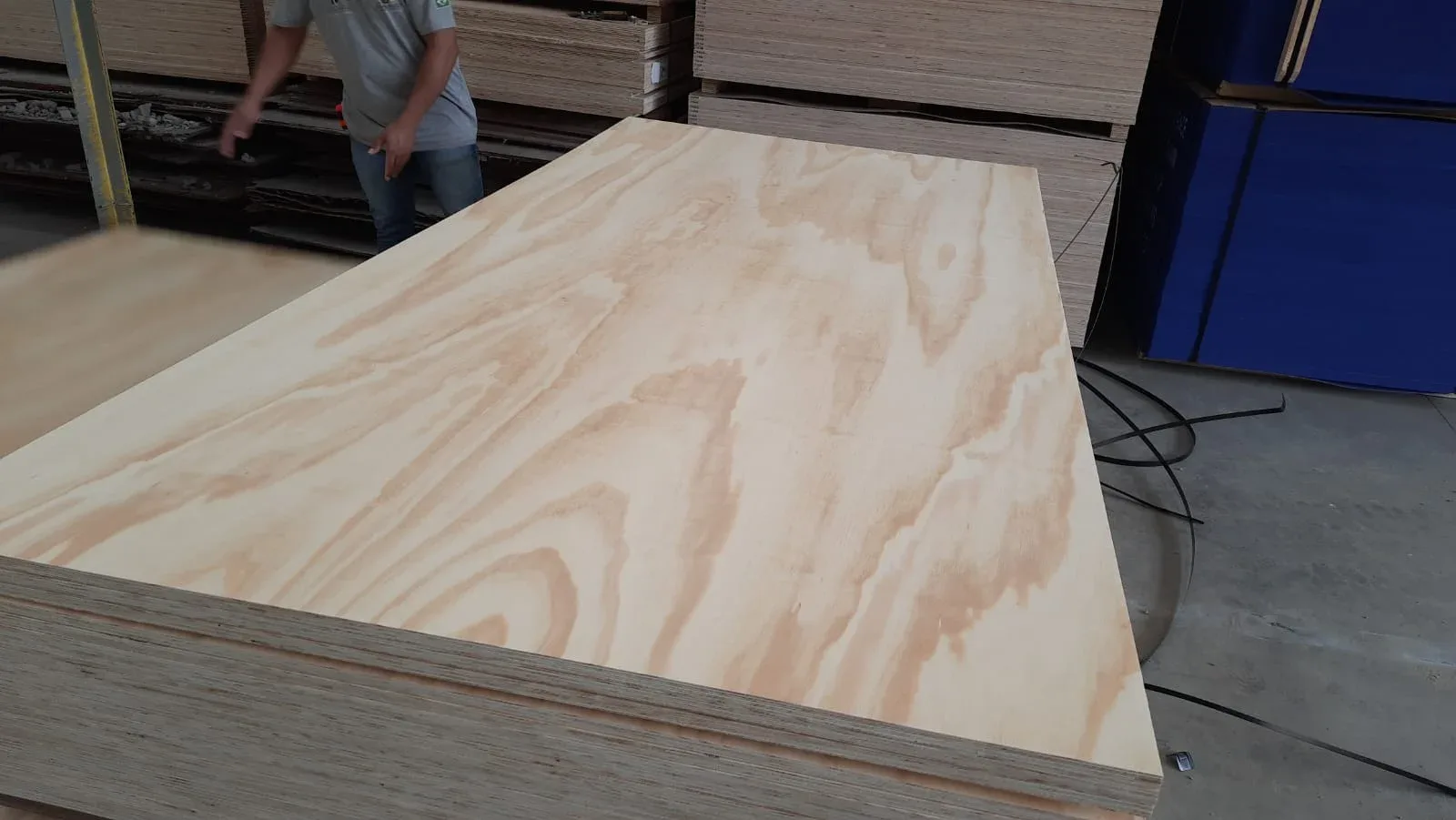
Plywood is a panel programme. Its economics depend on veneer recovery, core assembly, glue bond, pressing schedules, grade mix and sheet dimensions. A mill may have more flexibility to switch between CDX, C+/C, B/C, A/B or film-faced programmes, so available capacity can affect prices differently from sawn lumber.
Different inventory decisions
Lumber buyers often replenish a defined list of sections and moisture specifications. Plywood buyers may postpone orders, change grades or rebalance thicknesses while they assess construction and furniture demand. That makes the plywood order book more sensitive to short-term inventory adjustments.
Freight is not neutral
An FCL filled with plywood sheets, pallets of sawn timber or mixed products has a different cube, weight and loading pattern. A lower ex-mill plywood price may not reduce the landed cost if sheet mix leaves unused container space or if a particular destination is experiencing freight pressure.
What the Q3 split means for buyers
1. Separate the sourcing brief
Send lumber and plywood as separate product lines. For lumber, state species, section, grade, moisture content, machining, bundle size and destination. For plywood, state the grade, core, glue bond, thickness, sheet size, tolerance, certification and end use.
Plywood programmes start at 9mm on our standard range. Common requirements include structural CDX, C+/C, B/C, A/B, B/B, T1-11 and film-faced panels. MDF is a separate product family; our available emission classes include E05, E1 and E2, not E0.
2. Compare landed cost, not a headline price
Ask for a quote on the same basis — FOB or CIF — and use the same destination port, currency, validity period and specification. Include packing, container utilisation, insurance, duties and local charges in the comparison. A small FOB movement is not necessarily meaningful if freight or duty changes by a larger amount.
3. Protect the specification when prices move
Price pressure can tempt buyers to accept a different face grade, thinner panel, alternative glue bond or higher moisture content. Those changes may reduce performance or create claims. Treat every substitution as a new specification and approve it in writing before production.
4. Ask about the actual loading window
Availability should mean a realistic production and loading plan, not only a mill’s ability to make the product eventually. Ask when the proposed lot can be completed, inspected, packed and loaded. For repeat programmes, discuss a rolling forecast so the supplier can reserve capacity without forcing you into an inflexible contract.
A practical Q3 buying checklist
Before comparing offers, prepare:
- Product and sub-product: sawn pine lumber, plywood, MDF or another panel.
- Exact grade, species, dimensions, thickness and moisture target.
- Glue bond and emissions requirement where relevant: MR/WBP, E05/E1/E2 or another specified class.
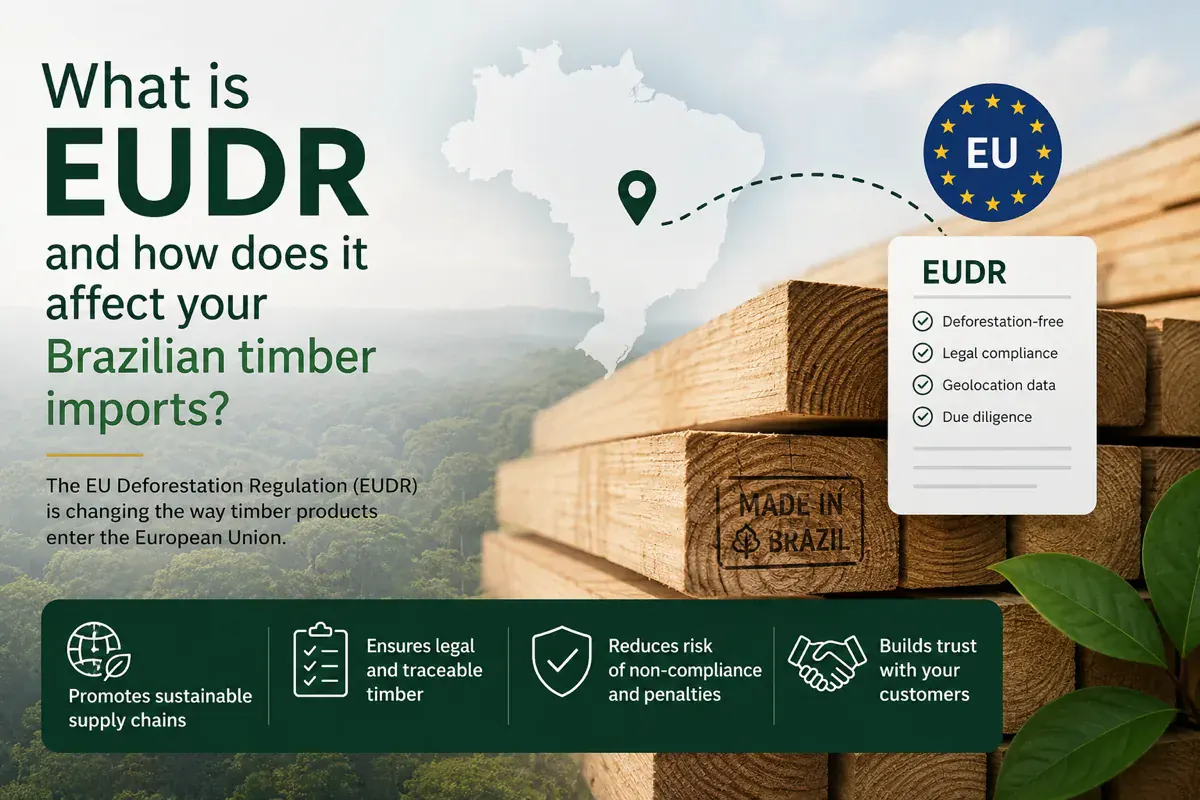
- FSC, CARB P2, CE or EUDR evidence required by the destination market.
- Monthly volume, target loading date, discharge port and preferred Incoterm.
- Packaging, pallet and container-utilisation requirements.
- Whether products may be mixed in one container. Mixed products must be similar and made by the same manufacturer; the combination must be confirmed with EBP before booking.
The buyer takeaway
The Q3 2026 price split is a reminder that “timber” is not one market. Sawn lumber and plywood can move in opposite directions because their production constraints, inventories and demand signals are different. Importers that separate the specifications, compare like-for-like landed cost and reserve a realistic loading window can use the divergence to improve decisions instead of reacting to a single index.
Export Brazil Pine connects importers with Brazilian mills for sawn timber, plywood, MDF, panels and furniture. Request a sourcing quote, review Brazilian plywood grades or compare sawn pine timber options before your next FCL programme.
Source and methodology
This article is an editorial adaptation of the original LinkedIn analysis by Export Brazil Pine. Market direction can vary by mill, grade, port, currency and shipment date; request a current specification-based quotation before making a purchase decision.
Related reading
Brazil plywood export markets in H1 2026 · FOB vs CIF for timber imports · Plywood grades explained
Sourcing pine plywood?
Get CDX, A/B, Film Face, and T1-11 specs + pricing in 24 h.
Stay informed
New guides, specs & market updates
Join 400+ timber importers who get our monthly brief — no spam, unsubscribe anytime.
Contents
Continue your sourcing research
Get a quote
Ready to source Brazilian timber? We will send specifications, pricing and photos within 24 hours.
Request a quoteRelated resources